
How great is YHWH? According to this psalmist, “He raises the poor out of the dust, / And lifts the needy out of the ash heap, / That He may seat [the poor man] with princes.” Is that a fact?
How great is YHWH? According to this psalmist, “He raises the poor out of the dust, / And lifts the needy out of the ash heap, / That He may seat [the poor man] with princes.” Is that a fact?
This psalm is another example of religious idealism that’s out of touch with reality — in other words, when what should happen to good people is the exception, not the hard and fast rule.
Like many other psalms, this one promises rewards to the righteous person who keeps YAH’s commandments. Do that, says the songwriter, and your “descendants will be mighty on earth.”
And here is the Prosperity Gospel: “Wealth and riches will be in [the righteous person’s] house,” not promising us pie in the sky, but letting us have our cake here on earth (then eating it for us, too).
I’ve watched prosperous preachers on TV, and even seen one white-suited healer live and in all of his glory. They must be righteous. But the desperate folk passing them the loot? Nah, not so much.
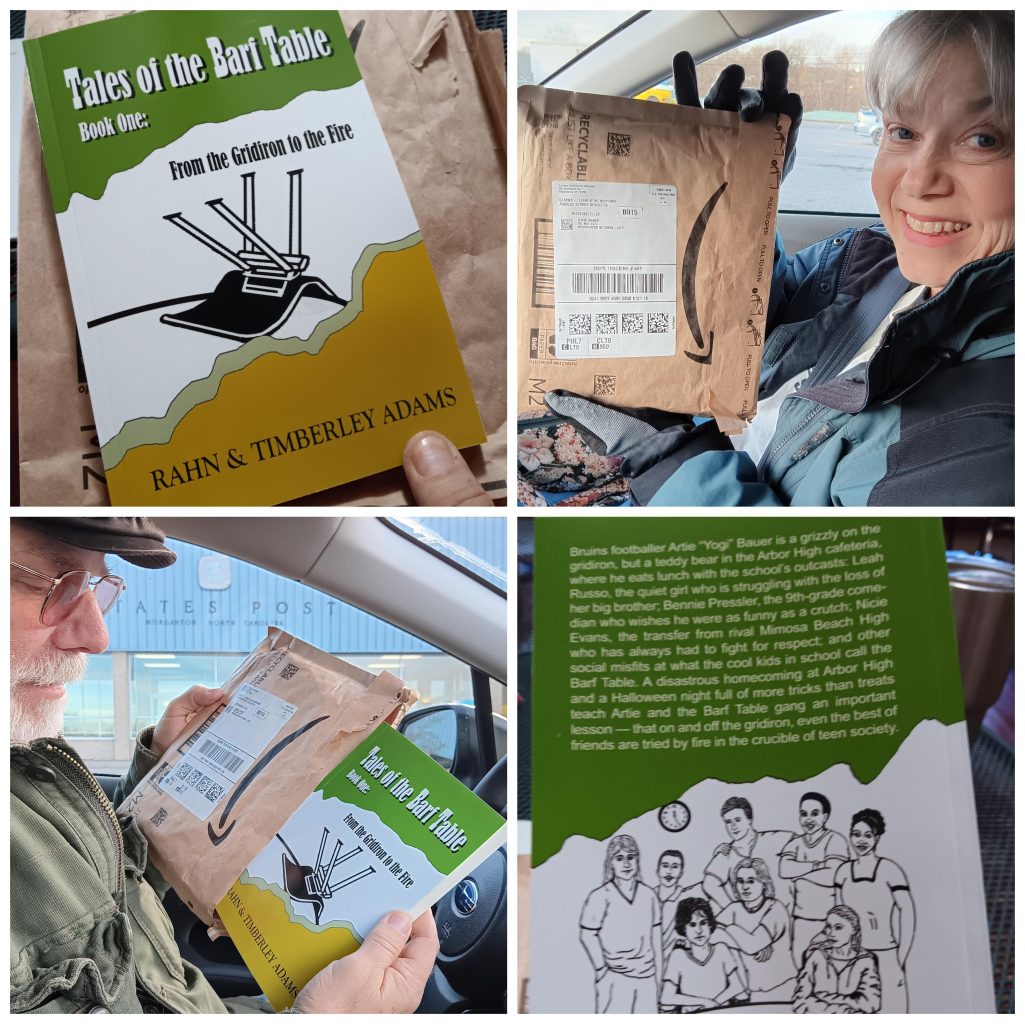
BOONE, N.C., Feb. 5, 2024 — A Western North Carolina couple have co-authored the first installment of a new young adult series of sports novels.
Rahn and Timberley Adams of Boone and Morganton last week released Tales of the Barf Table, Book One: From the Gridiron to the Fire, published independently by Gaillardia Press. This is the couple’s second young adult novel, coming 20 years after publication of Night Lights; or, Golf, the Blues and the Brown Mountain Light (Parkway Publishers 2004).
“We’ve been working on this book for the past year,” said Mr. Adams, “and we’re really pleased with it — the uplifting story, its diverse characters and the humorous tone in the right places, but especially its themes of being a good team member on the playing field and an even better role model for younger teens off the field.”
From the Gridiron to the Fire focuses on a group of high school athletes and their friends during fall football season at fictional Arbor High. On Friday nights, Artie “Yogi” Bauer is starting center and co-captain of the Arbor Bruins. The big farm boy leads every day at school as well by eating lunch with younger and less popular students at what the cool kids call the Barf Table.
From the novel’s back cover: “A disastrous homecoming at Arbor High and a Halloween night full of more tricks than treats teach Artie and the Barf Table gang an important lesson — that on and off the gridiron, even the best of friends are tried by fire in the crucible of teen society.”
The young adult novel is for ages 13-18 and focuses on gridiron football. However, readers of all ages and genders can enjoy the story without extensive knowledge of either the popular sport or the creative lunchtime hijinks that occur in many high schools.
The 256-page trade paperback includes cover art and chapter illustrations by Ms. Adams, who also co-wrote and illustrated Night Lights, as well as two books of her own: children’s picture book, Turtle Beach (Gaillardia Press 2019); and young reader’s chapter book, Henry Heron Finds His Home (Gaillardia Press 2021).
“We’re trying to build our imprint’s catalog,” Ms. Adams said. “This is the third book of fiction by Gaillardia Press in five years. We’re hoping to expand into poetry and nonfiction either this year or next, and we expect to release a 20th-anniversary edition of Night Lights by year’s end.”
She added that Gaillardia Press plans to release Book Two and Book Three in the Tales of the Barf Table series over the next two years. The second installment focuses on winter sports at Arbor High, while the third book is set during the school’s spring baseball and softball seasons.
The Adamses are currently employed part-time by Appalachian State University — Mr. Adams, as a professional writing consultant for the University Writing Center; Ms. Adams, as an adjunct instructor in the Career and Technical Education Program. Both retired after full-time teaching careers in Watauga and Brunswick counties.
Mr. Adams also coached high school basketball at West Brunswick High School, as well as men’s and women’s varsity tennis at West Brunswick and Watauga High School, earning four conference tennis coach-of-the-year awards. He also served as on-field statistician for West Brunswick and Watauga football teams. Ms. Adams was assistant tennis coach at both schools.
Mr. Adams is a graduate of Lenoir Hibriten High School and the University of North Carolina at Wilmington. Before becoming a teacher, Mr. Adams worked as staff writer and photographer for The Valdese News in Valdese and The Brunswick Beacon in Shallotte; as a columnist for Focus magazine in Hickory; and as an award-winning radio news director at WMNC in Morganton.
Ms. Adams attended Morganton Freedom High School and graduated from Appalachian State University, earning both a bachelor’s degree and master’s degree. Prior to her teaching career, she won numerous advertising awards at Belk of Morganton and The Brunswick Beacon.
A lifelong artist, Ms. Adams also was owner and operator of Kindred Spirits Gallery & Shop at Ocean Isle Beach in the mid-1990s. She has issued four limited-edition prints, including “Kindred Spirits,” “Sunflowers,” and “Gazebo at Sunset,” all of Brunswick County coastal scenes; and “Billy Joe’s Tee,” depicting a mile-high view from atop North Carolina’s scenic attraction Grandfather Mountain that was used as cover art for the couple’s Night Lights novel.
Tales of the Barf Table, Book One: From the Gridiron to the Fire is available online at Amazon and Barnes & Noble, and at local bookstores through IngramSpark publishing and distribution.
The Adamses’ are available for book signings, workshops and other special appearances. For more information, visit the couple’s website at gaillardiapress.com or contact them at P.O. Box 1382, Boone, NC 28607.
-30-
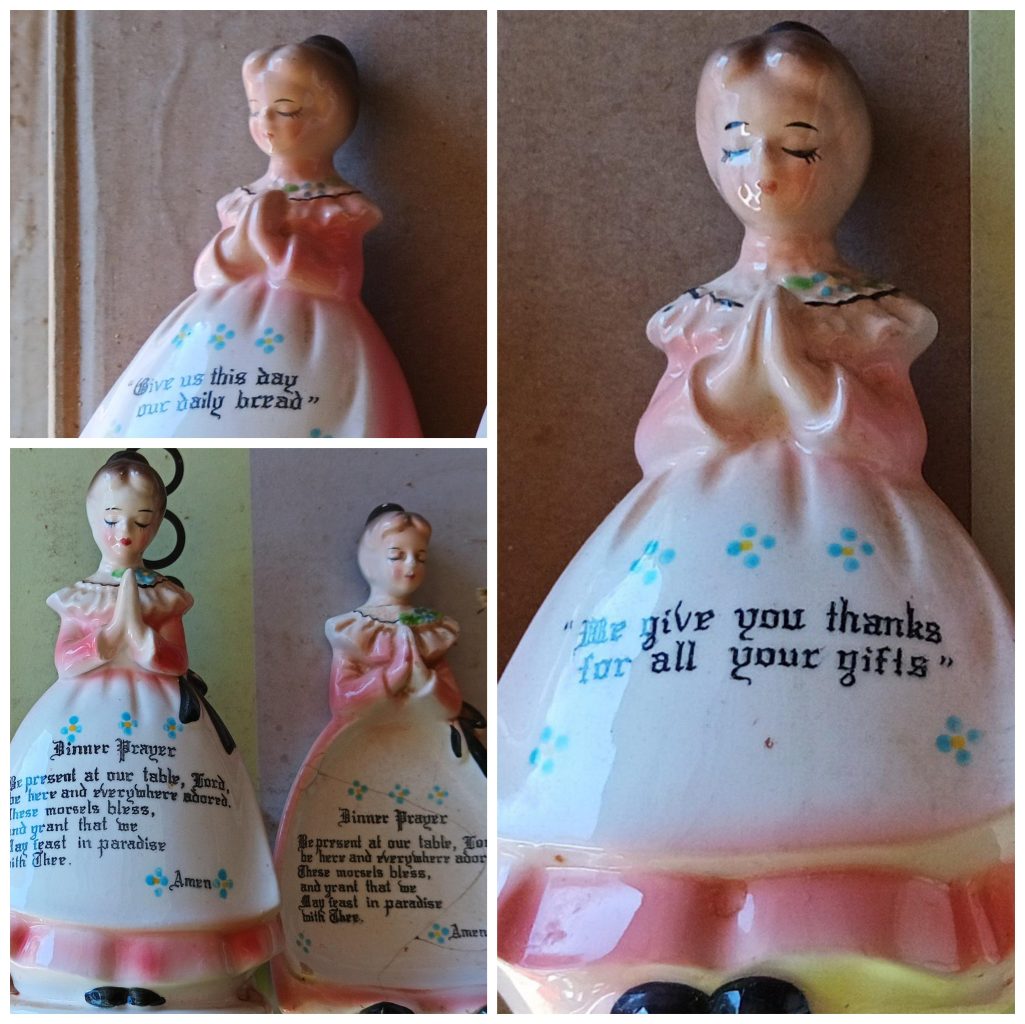
This psalm reminds me of the child’s mealtime prayer that begins, “God is great; God is good.”
But the writer takes nine verses to say basically that — that YHWH is better than sliced bread.
In the tenth and last verse the psalmist says, “The fear of the Lord is the beginning of wisdom.”
So, in other words, if we’re smart, we just keep our mouths shut and do whatever YHWH says.
But our cussed conundrum is interpreting His commandments and losing nothing in translation.
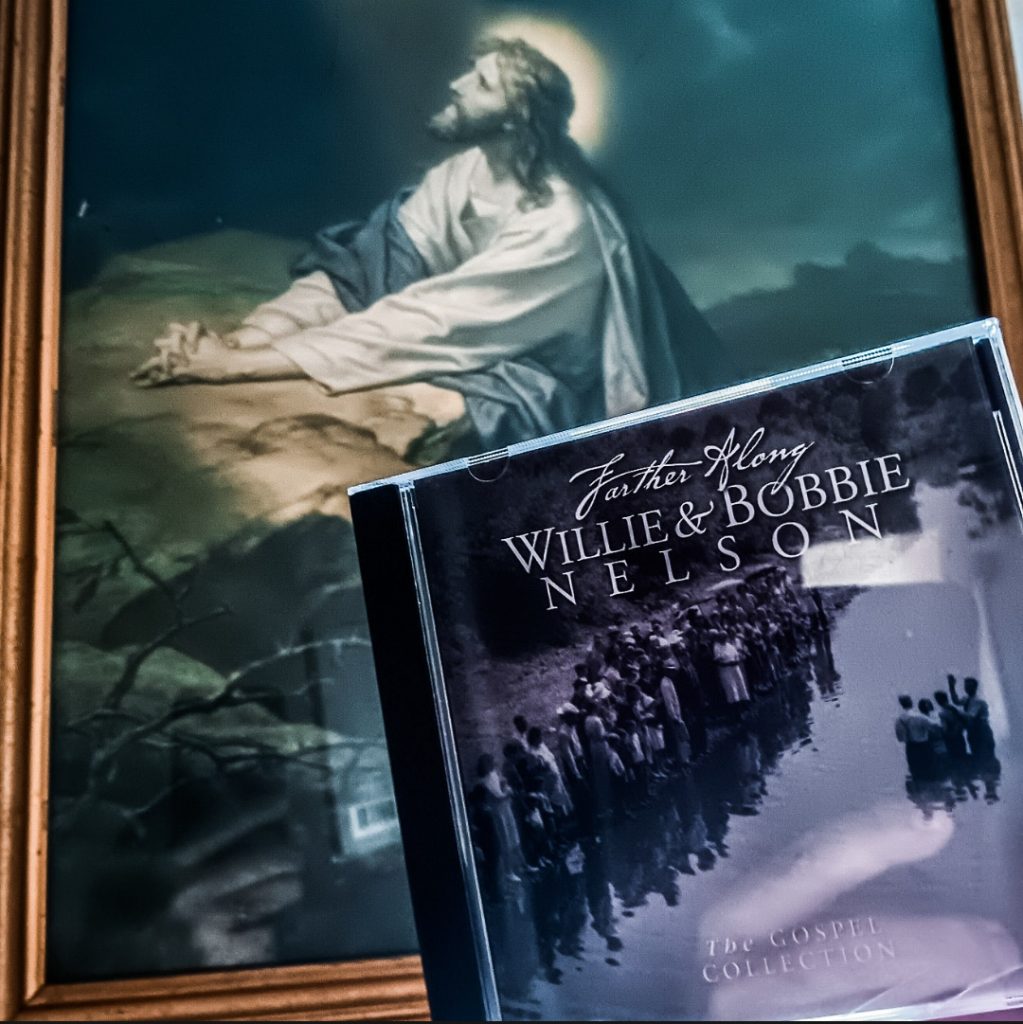
I’m gonna read this psalm like a contemporary of David, not of Donald. When this song was written, Yeshua Bar Yosef wouldn’t be born for another thousand years, so calling the psalm prophecy — as Spurgeon does — is a stretch.
“The Lord said to my Lord, / ‘Sit at My right hand, / Till I make Your enemies Your footstool.’” Spurgeon says that’s a reference to Jesus as messiah, and the preacher gives the vain king credit for actually writing this “Psalm of David.”
But, through my eyes as a regular reader, I see this psalm as having been penned by a royal toady who knew what the king wanted to hear. “My Lord” in that first line and later on refers to King David himself, not to Spurgeon’s Jesus.
That is, unless our gentle, forgiving Jesus is capable of murder: “He shall execute kings in the day of His wrath. / He shall judge among the nations, / He shall fill the places with dead bodies, / He shall execute the heads of many countries.”

If you don’t believe me when I say King David was a royal jerk, you need to read this psalm for yourself. His paranoia is in full bloom, as he wishes every bad thing imaginable on his enemies.
“Let his days be few,” David orders YHWH, “And let another take his office. / Let his children be fatherless, / And his wife a widow.” It gets worse. He even wants the man’s children annihilated.
As for himself — the poor, poor, pitiful king — David says, “But You, O God the Lord, / Deal with me for Your name’s sake; / Because Your mercy is good, deliver me.” Lord, have mercy is right.
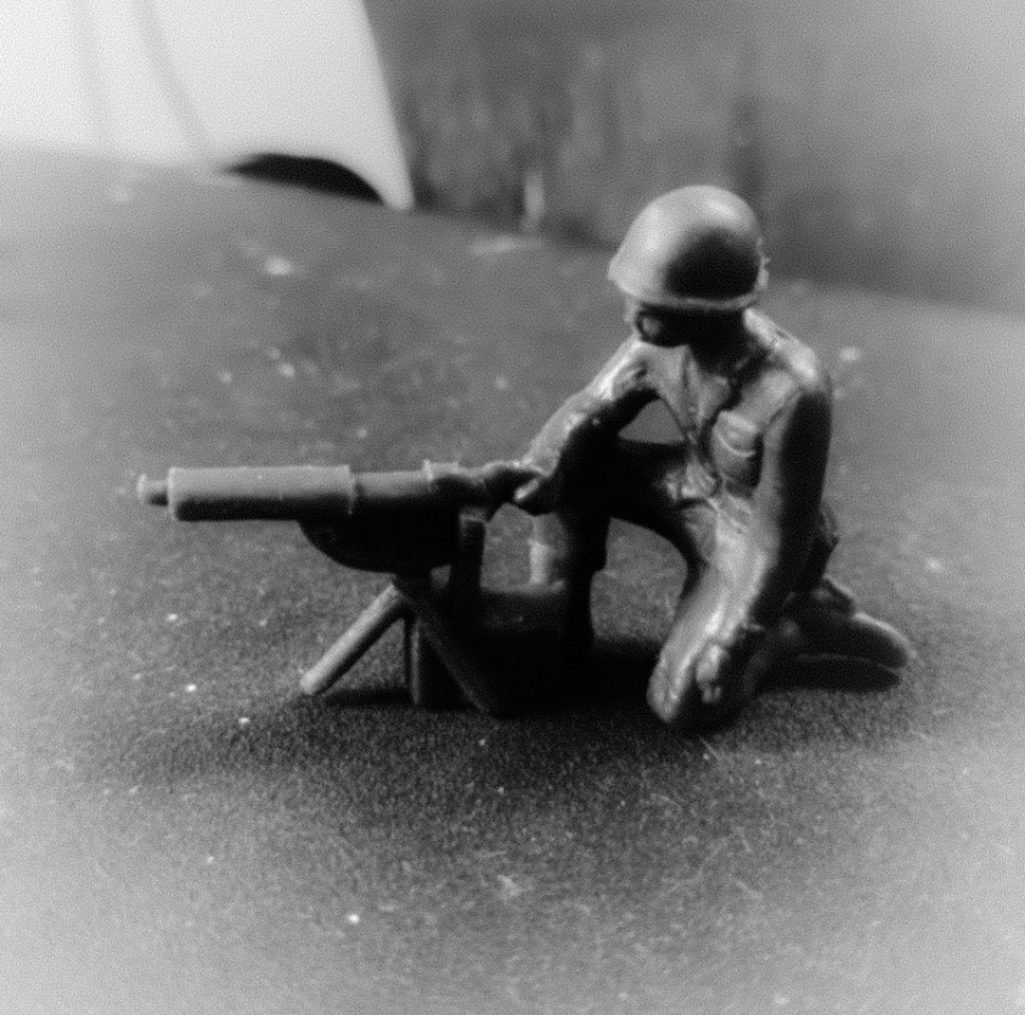
This short psalm studies war some more. Its subtitle is “A Song. A Psalm of David,” who, in my book, wasn’t just the jawbone of an ass; this dude was the full monty of megalomania.
The last four lines are key: “Give us help from trouble, / For the help of man is useless. / Through God we will do valiantly, / For it is He who shall tread down our enemies.”
But who chose the stone, loaded the sling, and flung that fifth smooth projectile at Goliath? Who dropped that first bomb on Hiroshima? And now who always pulls the damn trigger?

This lengthy psalm opens the fifth and final section of the Book of Psalms. It basically deals with the importance of thanking YHWH for the good things He does. The psalm’s three basic settings are the darkest night, the desolate wilderness and the storm-tossed sea — all fearful places still.
One passage is especially familiar. I chose it years ago to use as an epigraph for a novel about an old shrimp boat captain on the North Carolina coast: “Those who go down to the sea, / Who do business on great waters, / They see the works of the Lord, / And His wonders in the deep.”
This psalm’s theme is that YHWH requires thanks for His part in saving His people from danger. If they’re ungrateful, “He turns rivers into a wilderness, / And the watersprings into dry ground; / A fruitful land into barrenness, / For the wickedness of those who dwell in it.” That isn’t gracious.
So, now millenia later, is our “wickedness” to blame for the destruction of the natural world? And is climate change somehow retribution for our lack of appreciation? You’d think the conservative folks among us would read this psalm and straight away become environmentalists. But, uh, no.

Charles Spurgeon writes that this psalm’s theme is: “Holiness is happiness” — and he’s right in an ass-backwards kind of way. This lengthy psalm of 48 verses once again gives the history of the Israelites, focusing on their failures in holiness, at least according to their good lord, YHWH.
A more accurate thematic statement would be: Unholiness is unhappiness. We see in this psalm how YAH punished the Children of Israel in ancient times, first for worshiping a bull statue made of gold jewelry during the Exodus, then fire-breathing sun god Baal, and then “idols of Canaan.”
The psalmist points out that YHWH even punished the natural world — a body of water, at least — on His chosen people’s behalf: “He rebuked the Red Sea also, and it dried up.” That was just before He drowned the whole Egyptian army in it and made Cecil B. DeMille’s cinematic career.
In another passage, the psalm tells how YAH punished His children “[w]hen they did not destroy the peoples, / Concerning whom the Lord had commanded them.” Genocide, anyone? I guess that’s how Israel justifies genocide now. Bibi Netanyahu needs to be voted out of office for good.
Then there’s the bit about the Golden Calf — “the image of an ox that eats grass.” YAH’s latest chosen ones of various denominations (mainly unmarked twenties) say they’re fine worshiping a con man who’s full of bull and a gold-plated ass. How about another pandemic and insurrection?
“Regard Him not as a puny God,” writes the Rev. Charles Spurgeon in reference to this psalm, “but look to His omnipotence and seek to know the power of His grace.” What does that mean?
Spurgeon’s commentary, which I generally ignore, is full of religious platitudes and assumptions that support only one interpretation of scriptures — a fundamentalist Christian view of the world.
When the psalmist says, “Make known His deeds among the peoples,” he then lists what he and Spurgeon, too, see as good deeds — the famines, the pestilences, the plagues for Israel’s sake.
But I try to see other sides as well — of the poor folks who died in the floods, or from swarms of flies, lice and locusts, or from the fatal misfortune of being the oldest child in an Egyptian family.
As the old saying goes, God (or YHWH or Mother Nature or the iSoul) may be good all the time, but at the very same time God is bad and everything in between, depending on the perspective.